
KERSHAW LINK VS BUCK 250 SAUNTER
Choosing between the Kershaw Link and the Buck 250 Saunter comes down to one thing: fast, modern performance vs simple, traditional carry.
Both are excellent everyday carry knives — but they’re built for completely different users.
This guide breaks down exactly where each knife stands so you can choose with confidence—and how they fit into the broader world of EDC knives.
Transparency Note: We may earn a commission from qualifying purchases. Product selections are made independently and are not influenced by manufacturers.

QUICK VERDICT
If you want fast deployment and a work-ready knife → Kershaw Link
If you want lightweight, simple everyday carry → Buck 250 Saunter
Both are excellent — this is speed and strength vs simplicity and control.

THE SHOWDOWN
Kershaw Link
Buck 250 Saunter
✓ Assisted Opening
✓ Work-Ready Build
✓ Modern Design
✓ Lightweight Carry
✓ Premium Steel
✓ Clean Slipjoint Design





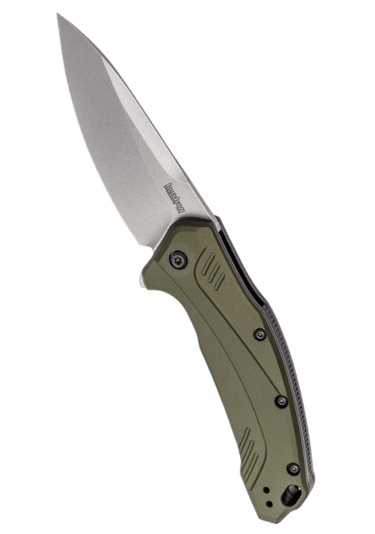
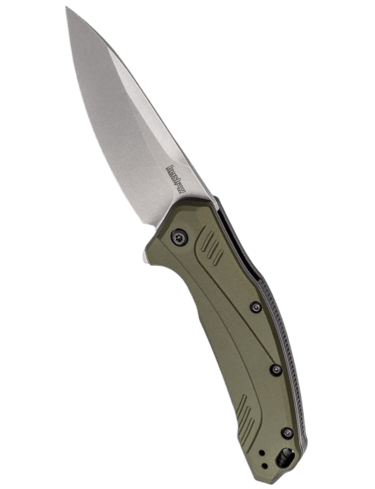
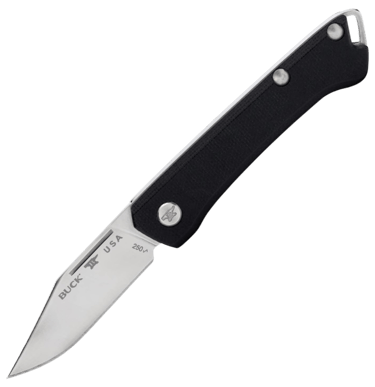
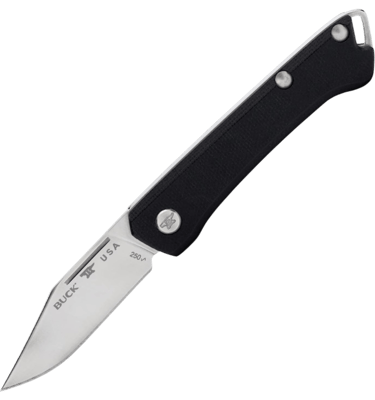
The Comparison Products
This is where the real differences show — comparing how each knife performs across the areas that matter most in everyday carry.
BUCK 250 SAUNTER
• Best For: Lightweight everyday carry
• Strength: Premium steel with simple, reliable design
• Avoid If: You need one-hand opening or locking strength
• Skill Level: Beginner-friendly
• Carry Style: Minimal, clean, traditional
KERSHAW LINK
• Best For: Hard-use everyday tasks
• Strength: Strong blade, assisted opening, solid grip
• Avoid If: You want something lightweight or minimal
• Skill Level: Beginner to advanced
• Carry Style: Heavier, utility-focused
DESIGN AND FEEL
KERSHAW LINK
The Link feels modern and purpose-built. It’s larger, more aggressive in design, and built with durability in mind. The aluminum handle and assisted mechanism give it a tactical, work-ready feel.
BUCK 250 SAUNTER
The Saunter is the opposite — clean, compact, and traditional. It feels refined and simple, with a focus on pocket comfort and minimalism rather than presence.
Traditional designs like this are common across certain types of EDC knives, especially those focused on simplicity and pocket comfort.
ERGONOMICS AND CONTROL
KERSHAW LINK
The Link offers a solid grip and confident handling, especially during tougher cutting tasks. Its size and weight help it feel stable under pressure.
BUCK 250 SAUNTER
The Saunter is comfortable for light tasks but doesn’t offer the same locked-in grip. It’s designed more for control and precision than force.
BLADE STEEL AND PERFORMANCE
KERSHAW LINK
Often equipped with premium steels like CPM 20CV or MagnaCut, the Link delivers excellent edge retention and corrosion resistance.
BUCK 250 SAUNTER
The Saunter uses 154CM, a well-balanced steel known for good edge retention, toughness, and easy maintenance — great for everyday use.
Steel plays a major role in how a knife performs over time—this EDC knife steel guide breaks down what actually matters.
HEAD-TO-HEAD CATEGORY BREAKDOWN
CARRY AND DAILY USE
KERSHAW LINK
The Link is heavier and more noticeable in your pocket. It’s built for users who don’t mind carrying something more substantial in exchange for performance.
BUCK 250 SAUNTER
This is where the Saunter shines. It’s small, lightweight, and easy to carry all day without thinking about it.
This is where carry preference becomes clear, especially when comparing folding vs fixed blade EDC options.
REAL WORLD USE
KERSHAW LINK
Built for real work — cutting rope, outdoor tasks, and heavier-duty use. It performs more like a compact work knife than a minimalist EDC.
BUCK 250 SAUNTER
Best for light daily tasks like opening packages, quick cuts, and general utility. It’s more about convenience than power.
DURABILITY AND LONG-TERM USE
KERSHAW LINK
Strong construction and premium materials make it highly durable, especially for repeated use and tougher environments.
BUCK 250 SAUNTER
Durable for its size, but not built for heavy abuse. It’s designed for longevity through simplicity, not brute strength.
WHO SHOULD BUY EACH
Choose the Buck 250 Saunter if:
• You want lightweight, minimal carry
• You prefer simple, traditional knives
• You don’t need a locking blade
• You want something clean and easy to carry daily
Choose the Kershaw Link if:
• You want fast, one-hand opening
• You need a knife for tougher tasks
• You prefer a solid, heavier feel
• You want modern materials and performance

Which EDC Knife Fits Your Lifestyle?
If you want a more aggressive everyday carry knife with stronger lockup, assisted opening, and better hard-use capability, the Kershaw Link is the stronger choice.
If you prefer lightweight carry, cleaner pocket comfort, and a simpler traditional design, the Buck 250 Saunter is the better fit.
The biggest difference comes down to utility-focused performance versus minimalist everyday carry simplicity.
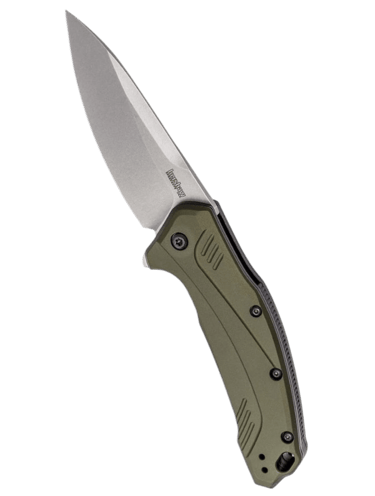
BUZZ PICK
Kershaw
Link
Assisted opening with strong lockup and durable daily use.
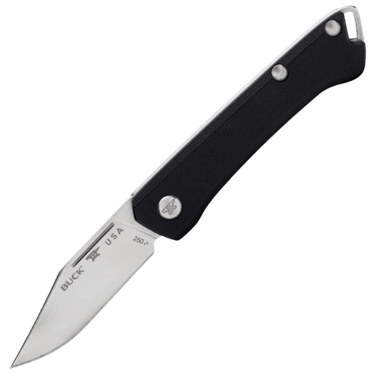
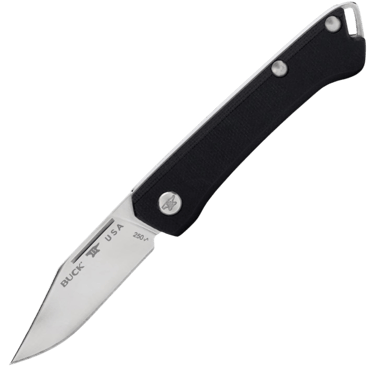
BUZZ PICK
Buck
250 Saunter
Lightweight traditional carry with clean pocket-friendly comfort.

Frequently asked questions
Which knife is better for everyday carry?
The Buck Saunter is better for lightweight daily carry. The Kershaw Link is better if you need more performance and strength.
Is the Kershaw Link too heavy?
For some users, yes. It’s significantly heavier than minimalist EDC knives, but that weight adds strength and durability.
Is the Buck Saunter durable?
Yes, for everyday use. But it’s not designed for hard-use tasks like the Kershaw Link.
Which should I choose?
Choose the Link if you want strength and speed. Choose the Saunter if you want simplicity and comfort.
FINAL VERDICT
Both knives are excellent — but they serve completely different purposes.
The Kershaw Link wins on strength, speed, and hard-use capability.
The Buck 250 Saunter wins on simplicity, lightweight carry, and everyday comfort.
If you want something that works hard → go Kershaw Link.
If you want something you’ll carry effortlessly → go Buck Saunter.
If you’re comparing options across different styles, this list of the best premium EDC knives is a solid place to see what stands out. Or if you want to compare lightweight carry vs control-focused performance, see how they stack up in Benchmade Bugout vs Spyderco Para 3.
Hello@TheBuzzHQ.com
© 2026 EDCBuzz. All rights reserved.
EDCBuzz
Master everyday carry systems with clarity and precision. Built for real environments and practical use.
For educational purposes only.
General Inquiries: