
How to Build an EDC Loadout: Essential Items and Tips
Learn how to build an effective EDC loadout with essential items and practical tips for everyday comfort and readiness without bulk.
EDC TUTORIALS
The EDCBuzz Editorial Team - Led by AJ “Buzz” Eichman
3/28/20267 min read
Everyday carry, or EDC, is more than just tossing a handful of gadgets into your pockets and hoping for the best. It’s about finding a balance between preparedness and practicality—carrying what you truly need, day in and day out, without the weight of unnecessary bulk or the annoyance of digging through clutter. Building an EDC loadout means selecting everyday carry items that suit your lifestyle but also stand up to the realities of daily life, where comfort and consistent performance aren’t negotiable.
After weeks of carrying the kind of gear I’ll recommend here, you start to notice the little things—the pocket bulge that nags at you on a long day, the handle of a knife that smooths out with wear, the way a flashlight feels in your grip once the shine on the bezel fades. So let’s get to it: how to build an EDC loadout that actually lives with you, not just looks good on a shelf.
Quick Verdict
Focus on versatile, multipurpose items to keep your loadout lean and usable.
Choose durable materials like stainless steel and high-grade polymers for gear that lasts.
Keep comfort in mind: even the best tool can be a pain if it’s a pocket hog.
Regularly reevaluate your kit to keep it sharp for your current needs.
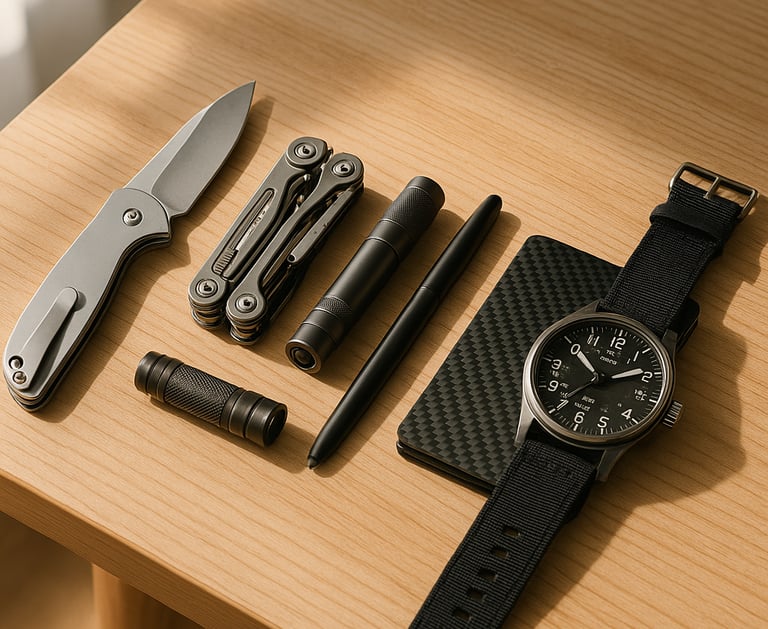
What Is an EDC Loadout and Why It Matters
An EDC loadout is your personal kit of everyday carry gear—tools and items you bring with you regularly to be ready for whatever the day throws at you. It’s not about overpacking or flashy gadgets. A well-considered loadout supports your daily activities smoothly, whether you’re opening packages at work, jotting down notes, or navigating a sudden power outage with a flashlight.
Why take the time to build one? Because when the right tools are ready where you expect them, life gets easier. You avoid fumbling or improvising with less reliable alternatives. And that ease adds up—not just in minutes saved but also in less pocket discomfort and fewer moments of frustration. If you want to ground this idea further, it helps to understand what EDC is before refining your setup.
Essential Categories of Everyday Carry Items
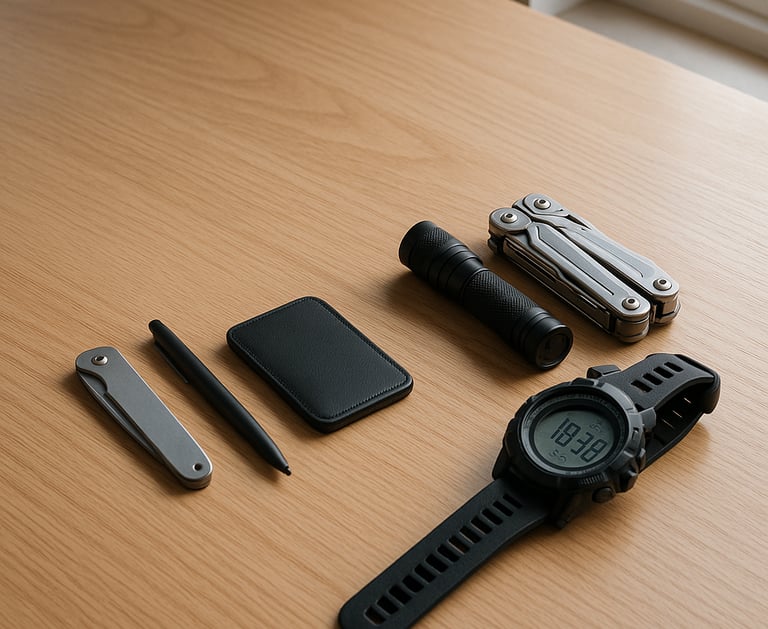
After trying out dozens of gadgets over the years, I’ve found that a few categories cover almost every daily need without adding unnecessary weight:
Knives
A good everyday carry knife is more utility tool than novelty. Cutting boxes, trimming loose threads, food prep for picnics—you name it. After a few days, you notice whether the knife’s grip still feels secure or starts to rub the same spot on your fingers raw. Steel quality matters, yes, but handle ergonomics and blade shape will make or break long-term comfort. If you want to explore how different designs impact that experience, looking into types of EDC knives helps connect the basics to real-world use.
Multi-tools
If the knife is your go-to for cutting, a multi-tool rounds out your capabilities with screwdrivers, pliers, and sometimes scissors. Versatility is the real win here—one decent multi-tool can replace multiple specialized tools, keeping your loadout light. That said, bulk and weight creep in fast if you’re not careful.
Flashlights
A compact, reliable flashlight isn’t just for camping. Power outages, late-night walks, or finding a dropped screw can turn a small light into a lifesaver. Look for a size that fits comfortably in your pocket and balances lumen output for practical use without blinding you—or draining your battery too quickly.
Pens
An often overlooked part of an EDC loadout, pens are indispensable if you’re jotting down notes, signing receipts, or sketching plans. After a couple of weeks carrying the same pen, you start to appreciate mechanisms that work smoothly (click or twist, based on preference) and grips that don’t make your fingers cramp halfway through writing.
Wallets
The glue holding your essentials together—ID, cards, cash. Material choice here is crucial: leather, aluminum, or carbon fiber options all have their perks. A wallet that’s too bulky quickly becomes a pain, while one that fails to secure your cards or keep up durability can cost you more than just money.
Watches
Not just about telling time, a watch in your EDC loadout anchors your day with subtle durability. Water resistance, shock protection, and readable dials matter, especially when you rely on it to keep you punctual without fuss.
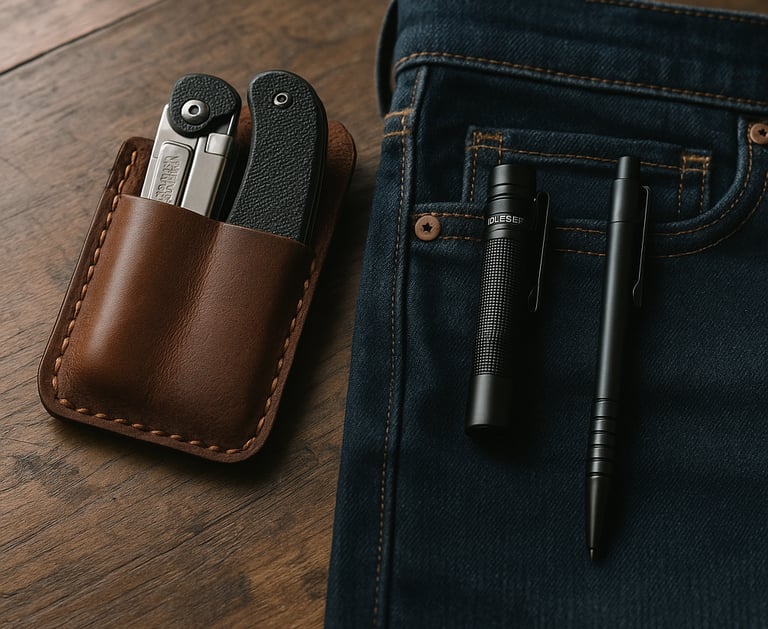
Choosing Items Based on Daily Needs and Lifestyle
What works for a desk jockey probably won’t fit a weekend hiker’s kit. A major piece of wisdom: build your gear around your routines rather than on impulse buys or flashy trends. If you’re cycling to work, a slim, lightweight loadout that won’t bounce around is front and center. For outdoor adventurers, durability and multipurpose tools become higher priority.
Start by listing typical daily tasks and potential unexpected moments where a tool would help. Then ask yourself: Does this item truly add value? Does it cause pocket fatigue? Will I realistically carry this every day or just when I remember to?
Materials and Construction: What to Look For
Experience teaches that the steel in your knife or multi-tool blade isn’t just a bragging point but an investment in edge retention and corrosion resistance. S35VN steel, for example, is a favorite for holding a sharp edge while standing up to the day’s rigors. For handles and bodies, aluminum and high-grade polymers strike a good balance between weight and toughness—materials that can take knocks without weighing you down or chipping at the first sign of trouble. If you want to understand how these materials actually perform over time, a proper EDC knife steel guide helps break it down.
Flashlights with anodized aluminum bodies and waterproof seals will outlast plastic models quickly, while wallets crafted from carbon fiber hold shape and remain slim after months of card shuffling.
How to Organize and Carry Your EDC Gear
Organization isn’t just for neat freaks; it impacts how quickly you can grab the right tool and prevents damage. After some trial, I settled on simple pouches for multi-tools and knives to avoid metal-on-metal scratches, paired with sturdy clips on pocket edges for flashlights and pens. This setup keeps the loadout accessible and reduces the pain of pocket bulk.
Also, learning how your clothing pockets work with your gear matters. Heavy jeans pockets can handle more, but lightweight fabrics might sag or wear faster with bulky items. If you find yourself constantly shifting things around mid-day, take note—that’s a sign your setup isn’t quite dialed in.
Updating and Maintaining Your EDC Loadout
Your daily carry needs change with seasons, jobs, and lifestyle shifts. What worked well in winter might feel like a pocket clog in summer. Regular audits every few months help keep your loadout relevant. Swap out or upgrade gear that no longer fits or wears poorly. Maintenance is part of this—knives need sharpening, flashlights charging and cleaning, wallets inspected for wear. Neglect this, and even the best gear starts to feel like a chore to carry.
Common Mistakes to Avoid When Building Your Kit
Overpacking is the classic trap. More doesn’t mean better, and I can’t count how many times I’ve carried so much gear that I forgot half of it was in there until I sat down awkwardly. That discomfort breeds frustration, which leads to abandoning the kit altogether.
Another mistake is letting aesthetics blind you to function. Sure, sleek designs look great, but ask yourself: will this knife cut food without folding? Will that multi-tool sprocket actually hold up under daily use?
Ignoring pocket and clothing fit causes surprise discomfort—gear that digs into your thigh or bunches up near the hip will get sidelined fast. Lastly, skipping maintenance is a slow way to degrade even the sturdiest tools; it’s the equivalent of letting your car run on empty and expecting it to deliver.
Tips and Tricks from Field-Tested EDC Enthusiasts
Keep a minimalist mindset but plan for adaptability. A multi-tool with modular accessories is handy if you want to swap bits depending on day-to-day needs. For pens, choose models with refillable ink cartridges to avoid waste and inconsistency.
Carry a compact flashlight with a rechargeable lithium-ion battery—it’s an upgrade from disposable batteries and saves pocket weight over time. And if you’re picky about knives, find one with a pocket clip that fits your carry position naturally; a poorly placed clip causes shifting that you feel all day.
Don’t forget the value of quick-access storage solutions like pouches or small organizers inside your bag or jacket; they streamline retrieval and protect gear from damage.
Frequently Asked Questions
What are the absolute essentials for an EDC loadout?
At a bare minimum, aim for a reliable everyday carry knife, a compact multi-tool, a small flashlight, a quality pen, and a slim wallet. These cover most situations without overstuffing your pockets.
How do I choose the right knife for everyday carry?
Look beyond blade material to consider handle comfort, blade shape, and locking mechanism. After use, the best EDC knives feel like extensions of your hand rather than foreign objects.
What materials are best for durable EDC gear?
Stainless steel and high-grade tool steels like S35VN excel for blades. Aluminum and durable polymers balance weight and strength for handles and flashlight bodies. Wallets benefit from leather or carbon fiber for longevity.
How can I organize my EDC items for quick access?
Use dedicated pouches or clips tailored to each tool’s size. Keep items in consistent positions to build muscle memory, and consider the fit with your clothing pockets to minimize shifting and bulk.
Is it better to carry fewer multifunctional tools or many specialized ones?
Multipurpose tools usually win for everyday carry because they reduce bulk, but you might prefer a few specialized items if you perform specific tasks frequently. Strike a balance based on your routine.
How often should I update or reevaluate my EDC loadout?
Check your setup every few months or with significant lifestyle changes. Seasonal shifts are also good prompts—what works in cold weather pockets might not work under summer wear.
Can EDC gear be customized for different daily activities?
Yes, modular tools and interchangeable accessories help tailor your kit. Adjustable items let you adapt without carrying extra bulk, which is key for evolving daily demands.
How do pocket sizes affect what I can carry?
Pocket size and placement limit the length, thickness, and number of items you can comfortably carry. Bigger pockets mean more room but watch for comfort and fabric wear.
Practical Conclusion
Building an EDC loadout isn’t a one-and-done project but an ongoing conversation between your gear and your lifestyle. The best kits quietly integrate into your day until they almost disappear—only noticeable when absent. Choosing practical, durable tools and organizing them thoughtfully pays off in daily convenience and comfort.
Remember, it’s not about carrying everything but about carrying what truly fits your life and keeps pace without becoming a burden. If you want to see how real-world knives compare once your setup evolves, looking at something like Zero Tolerance 0357BW vs Kershaw Bel Air helps connect theory to actual gear decisions.
Your pockets will thank you, and so will you—though maybe not in a way loud enough to outspeak your gear’s steady reliability.
Hello@TheBuzzHQ.com
© 2026 EDCBuzz. All rights reserved.
EDCBuzz
Master everyday carry systems with clarity and precision. Built for real environments and practical use.
For educational purposes only.
General Inquiries: