
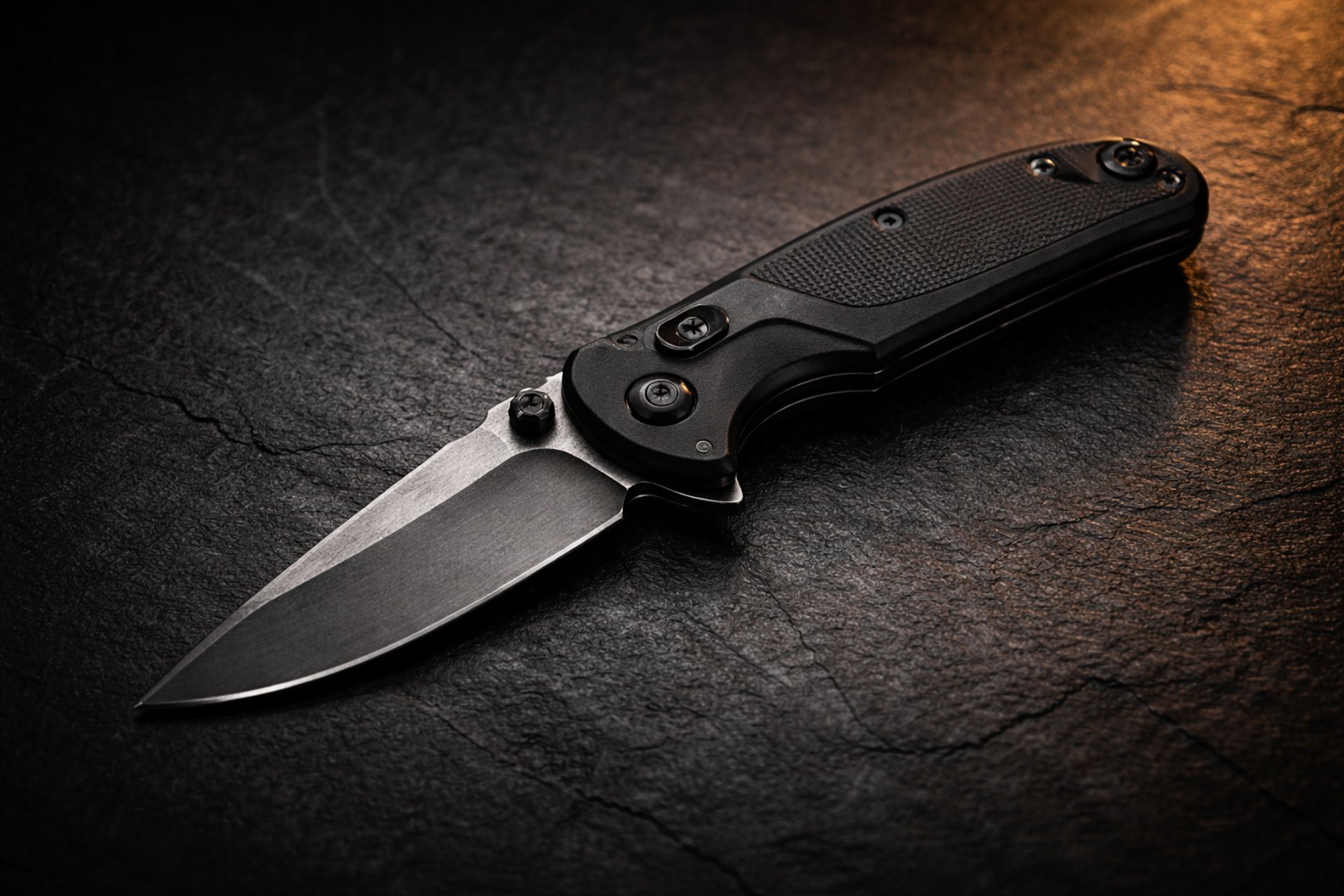
BEST EDC KNIVES
Finding the best EDC knife comes down to one thing: reliability in your pocket when you actually need it. Whether you're opening boxes, cutting cord, or handling daily utility tasks, the right knife should feel natural, deploy smoothly, and hold an edge without constant maintenance.
This guide breaks down the best everyday carry knives based on real-world use — not hype — and if you want a deeper foundation before choosing, our full breakdown of EDC knives explains what actually matters when building a reliable setup.
Transparency Note: We may earn a commission from qualifying purchases. Product selections are made independently and are not influenced by manufacturers.
WHY THESE KNIVES WORK FOR EDC
A good EDC knife isn’t about looking tactical — it’s about performance, comfort, and consistency.
The knives in this list were selected based on:
• Blade steel quality (edge retention + sharpening ease)
• Carry weight and pocket comfort
• Deployment reliability (one-hand open/close)
• Lock strength and safety
• Real-world usability (not just specs)
You’ll notice a mix of lightweight carry options and heavier-duty work knives — that’s intentional. EDC means different things depending on how hard you use your gear.
If you’re still figuring out what actually makes a good everyday carry setup, this guide on what EDC really means breaks it down clearly.
BEST EDC KNIFE OVERALL
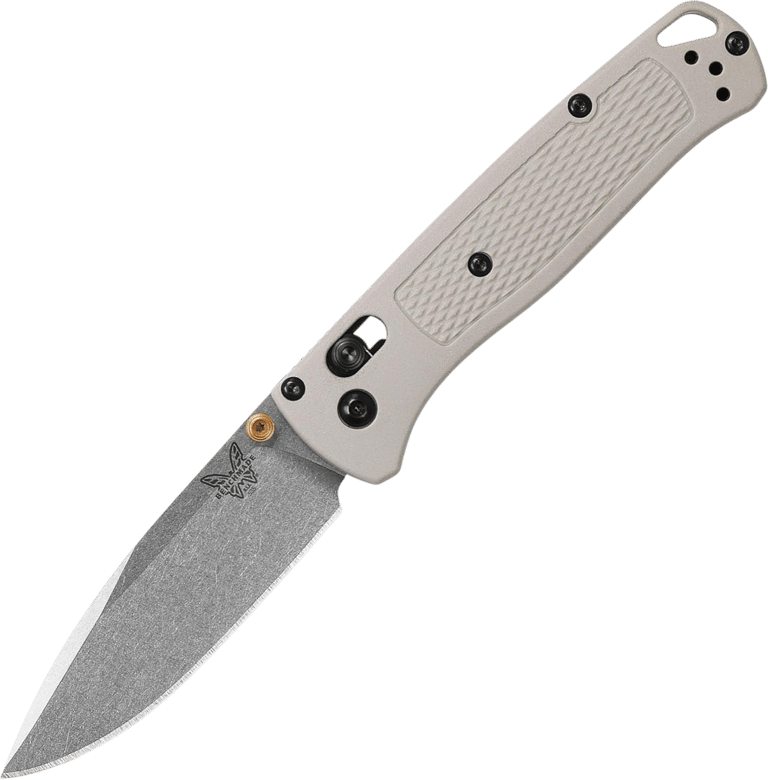
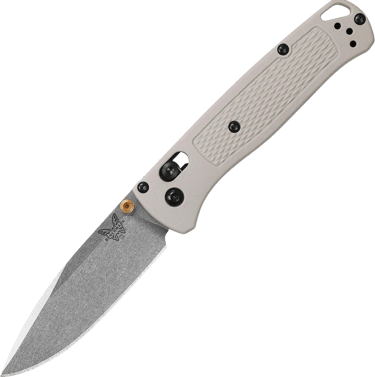
Benchmade Bugout
If you want one knife that disappears in your pocket but performs like a full-size tool, the Bugout is hard to beat.
• Blade Steel: S30V (newer models S30V / S30VN variants)
• Weight: ~1.8 oz
• Lock Type: AXIS lock
• Best For: Ultralight everyday carry
Why it stands out:
The Bugout is insanely lightweight without feeling cheap. The AXIS lock makes it fully ambidextrous and easy to operate one-handed. It’s the knife you forget you're carrying — until you need it.
Avoid if: You prefer heavier, more rigid handles.
If you're deciding between lightweight carry and something more robust, comparing the Bugout to alternatives like the Para 3 can help — this Benchmade Bugout vs Spyderco Para 3 breakdown highlights the real differences.
BUZZ'S TOP PICK
Benchmade Bugout
Best Overall
BEST BUDGET EDC KNIFE
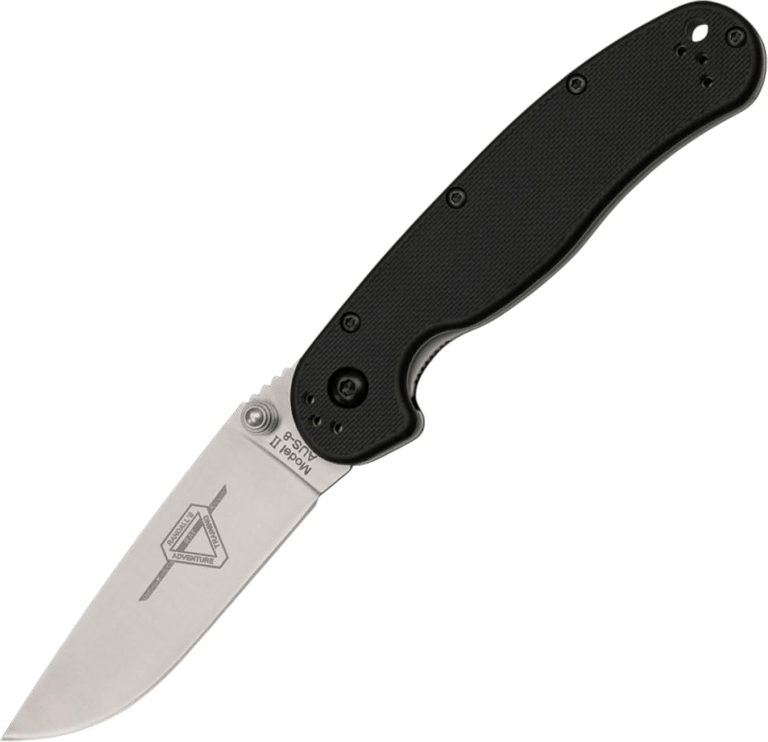
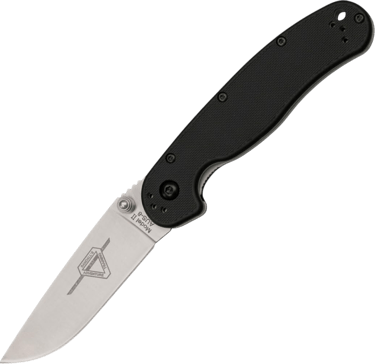
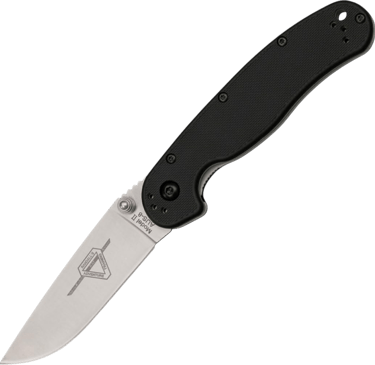
Ontario RAT II
This is one of the best-value knives ever made — and it punches way above its price.
• Blade Steel: AUS-8 or D2 (depending on version)
• Weight: ~2.8 oz
• Lock Type: Liner lock
• Best For: Budget-friendly reliability
Why it stands out:
Smooth deployment, solid lockup, and a shape that just works. It’s not flashy — it’s dependable.
Avoid if: You want premium materials or ultra-light carry.
If you're trying to stay under budget without sacrificing reliability, this list of the best EDC knives under $50 is worth checking out.
BUZZ'S TOP PICK
Ontario RAT II
Best Budget EDC Knife
BEST PREMIUM EDC KNIFE
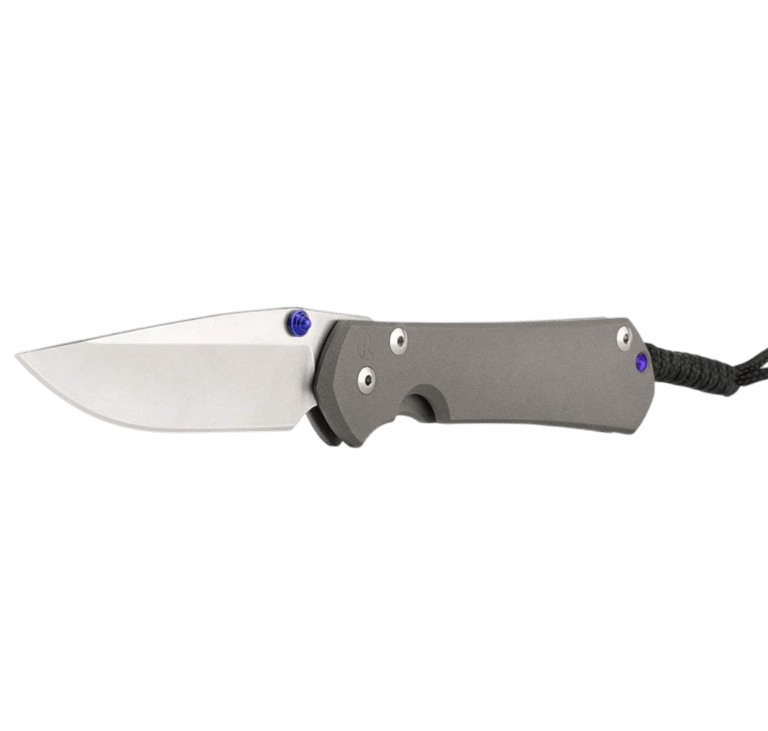
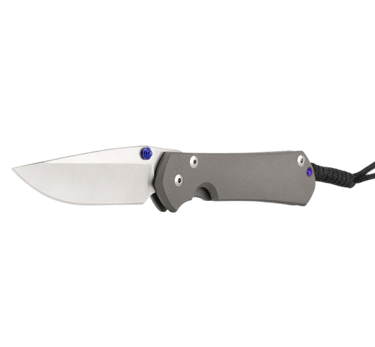
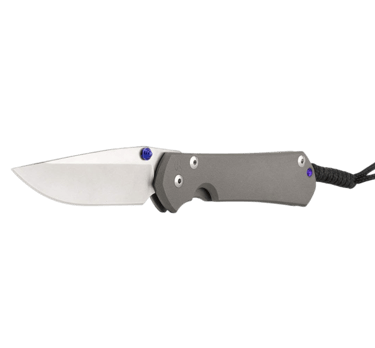
Chris Reeve Sebenza 31
This is what a “buy it for life” EDC knife looks like.
• Blade Steel: CPM S45VN
• Weight: ~3.0 oz
• Lock Type: Frame lock
• Best For: Long-term ownership and precision
Why it stands out:
Everything is dialed in — tolerances, action, materials. It doesn’t rely on gimmicks. It just works, flawlessly, for years.
Avoid if: You don’t want to carry a higher-end knife daily.
If you're leaning toward higher-end builds like this, you’ll find more options in our curated list of best premium EDC knives.
BUZZ'S TOP PICK
Chris Reeve Sebenza 31
Best Premium EDC Knife
BEST WORKHORSE EDC KNIFE
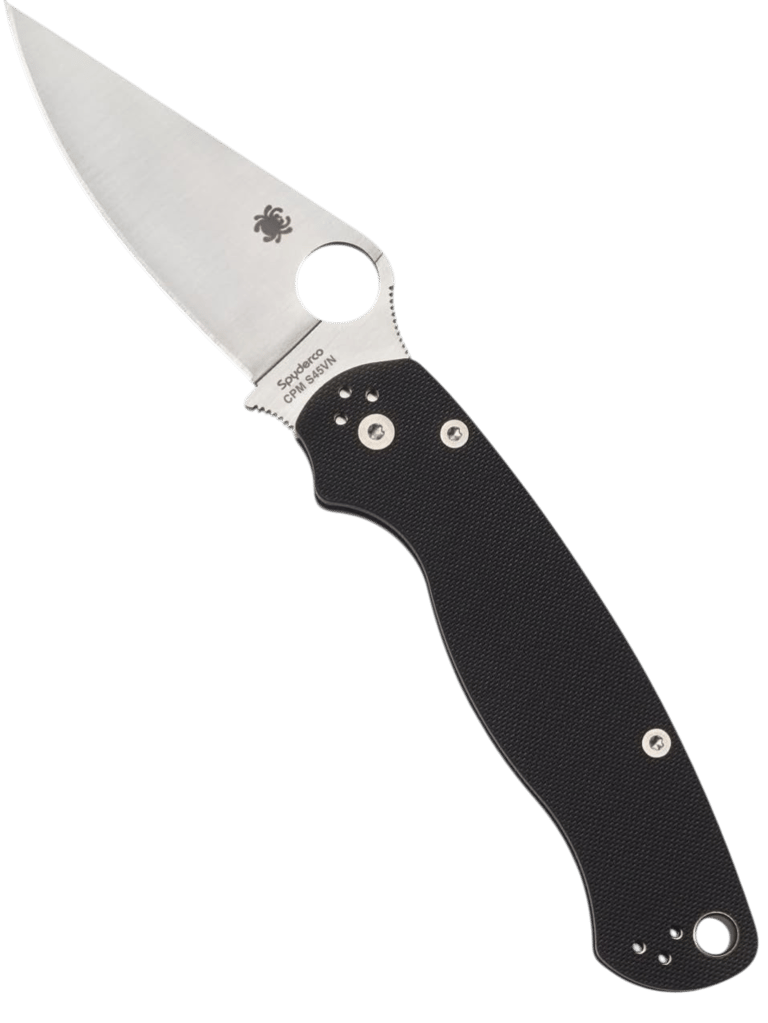
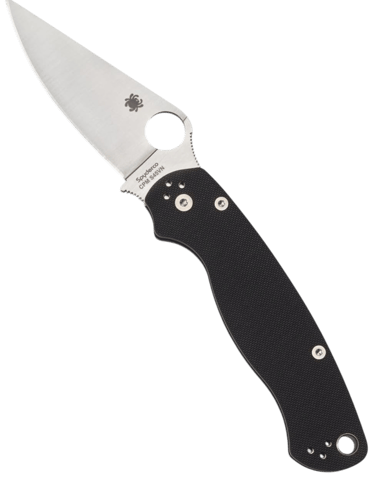
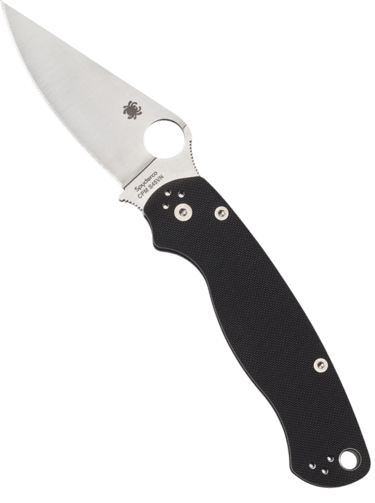
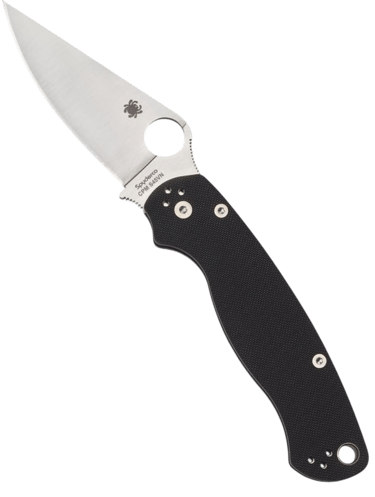
Spyderco Para Military 2
If you actually use your knife hard, this is the one.
• Blade Steel: CPM S45VN
• Weight: ~3.9 oz
• Lock Type: Compression lock
• Best For: Heavy daily use
Why it stands out:
Strong, ergonomic, and extremely capable. The compression lock keeps your fingers out of the blade path, which is a big win for safety.
Avoid if: You want something compact or ultra-light.
BUZZ'S TOP PICK
Spyderco Para Military 2
Best Workhorse EDC Knife

HOW TO CHOOSE THE RIGHT EDC KNIFE
Choosing the right knife comes down to how you actually use it — not what looks cool online.
Blade Size
Most people land in the 2.75"–3.5" range. Big enough to be useful, small enough to stay legal in most areas.
Premium steels = longer edge life, harder to sharpen — and if you want a clearer breakdown of how these actually perform in real use, this EDC knife steel guide helps simplify the differences.
Weight
Under 3 oz = disappears in pocket
3–4 oz = balanced
4 oz+ = noticeable but more durable
Blade Steel
S30V / S45VN = great balance
D2 = tough, budget-friendly
Premium steels = longer edge life, harder to sharpen
Lock Type
AXIS / Crossbar = easy and ambidextrous
Liner lock = simple and proven
Frame lock = strong and minimal
Compression lock = safe and unique, especially for one-handed use — and if you’re still unsure how each mechanism works in practice, this guide on knife lock types explained covers it in detail.

EDC KNIFE MAINTENANCE BASICS
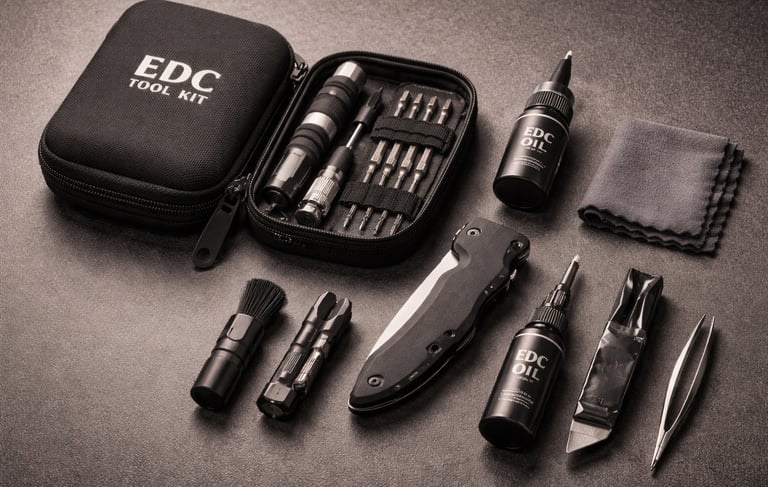
Even the best knife fails if you don’t maintain it.
• Keep it clean — pocket lint builds up fast
• Light oil on pivot keeps action smooth
• Sharpen before it’s dull, not after
• Don’t use it as a pry bar (seriously)
Quick Picks for Your Loadout
BUZZ PICK


Benchmade
Bugout
Ultra-light premium carry with smooth everyday comfort
BUZZ PICK
Ontario
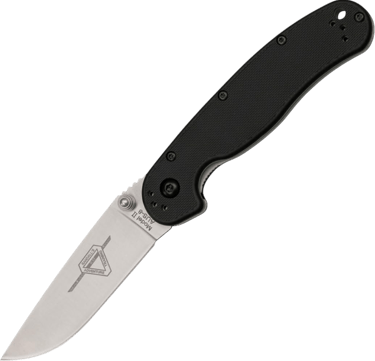
RAT II
Reliable budget workhorse built for simple daily carry
BUZZ PICK
Chris Reeve
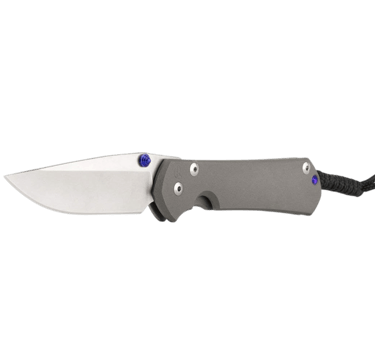
Sebenza 31
Smooth one-handed carry with refined everyday ergonomics
BUZZ PICK
Spyderco
Para Military 2
Hard-use performance carry with exceptional ergonomics
Frequently Asked Questions
What is the best blade length for an EDC knife?
Most people find that a blade between 2.75 and 3.5 inches offers the best balance of usability and portability. It’s large enough for everyday tasks but small enough to stay comfortable in your pocket and within legal limits in most areas.
What blade steel is best for everyday carry?
Steels like S30V and S45VN offer a great balance of edge retention, corrosion resistance, and ease of sharpening. Budget options like D2 and AUS-8 are also solid choices, especially if you don’t mind sharpening more often.
Are EDC knives legal to carry everywhere?
No — knife laws vary by state and even by city. Blade length limits, carry methods, and knife types can all be restricted. Always check your local laws before carrying a knife daily.
What’s the difference between a liner lock and a frame lock?
A liner lock uses an internal spring bar to secure the blade, while a frame lock uses part of the handle itself. Frame locks are generally stronger, but liner locks are lighter and more common on budget-friendly knives.
How often should I sharpen my EDC knife?
It depends on use, but most people should touch up the edge every few weeks and do a full sharpening when performance noticeably drops. Regular maintenance keeps the knife working better and extends blade life.
What is the best weight for an EDC knife?
Knives under 3 ounces are ideal for lightweight carry and everyday comfort. Heavier knives (3.5–4+ ounces) often feel more durable but can be more noticeable in your pocket throughout the day.
Is a more expensive knife worth it?
Higher-end knives typically offer better materials, smoother action, and longer edge retention. However, many budget knives perform extremely well for everyday tasks, so it comes down to how often and how hard you plan to use it.
What makes a knife good for EDC use?
A good EDC knife should be easy to carry, simple to deploy one-handed, comfortable to use, and reliable over time. Practical features matter more than tactical looks or extra complexity — especially if you’re building out a full setup, which is covered in this guide to EDC for beginners.
Final Thoughts
The best EDC knife isn’t the most expensive — it’s the one you actually carry every day.
If you want light and effortless → Bugout
If you want reliable on a budget → RAT II
If you want precision for life → Sebenza
If you want a true workhorse → PM2
And if you’re still comparing options based on how you actually use your gear, exploring a broader range of best EDC knives can help you land on the right fit.
Pick based on how you live, not just what looks good.
Where Do You Want to Go Next?
Choose your path based on what you need right now.
Explore Everything
Compare Before You Buy
Just Get It Done
Dive deeper into:
EDC knife types
blade steel guides
lock mechanism breakdowns
carry style comparisons
folding vs fixed blade setups
beginner EDC education
This is the best place to better understand how different knives actually perform in everyday carry.
Not sure which knife fits your carry style best?
Compare:
Bugout vs Para 3
Elementum vs Pyrite
AD-15 vs Para Military 2
Link vs Buck Saunter
Seeing the real-world carry differences makes choosing the right knife much easier.
If you want an ultra-light everyday carry knife with excellent pocket comfort, smooth deployment, and reliable long-term performance, start with the Benchmade Bugout.
It offers:
extremely lightweight carry
slim pocket-friendly design
smooth one-handed operation
dependable everyday performance

Hello@TheBuzzHQ.com
© 2026 EDCBuzz. All rights reserved.
EDCBuzz
Master everyday carry systems with clarity and precision. Built for real environments and practical use.
For educational purposes only.
General Inquiries: