
Folding vs Fixed Blade EDC: Which One is Right for You?
Explore the key differences between folding blade and fixed blade EDC knives to find which everyday carry knife suits your lifestyle and tasks best.
EDC KNIVES
The EDCBuzz Editorial Team - Led by AJ “Buzz” Eichman
3/28/20266 min read
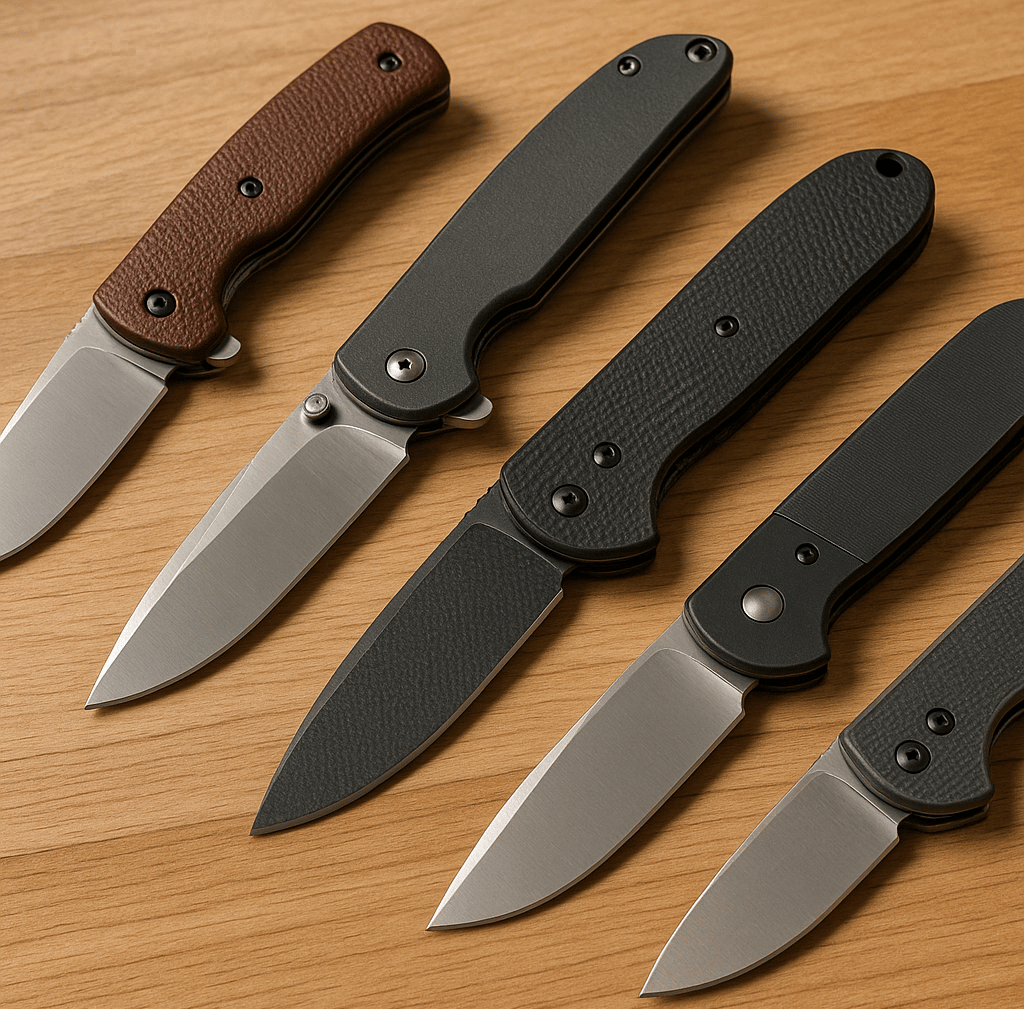
Choosing the right everyday carry (EDC) knife often feels like picking a trusty sidekick—one that will quietly prove its worth day in and day out without fuss. When it comes to EDC knives, the fundamental choice boils down to folding blades versus fixed blades. They each bring distinct advantages and some quirks, and knowing how they fare in real life is what separates a knife that becomes part of your routine from one that just collects pocket lint.
After spending enough time carrying and using both styles, I’ve noticed that the difference isn’t just about blade position or deployment speed—it’s about how well the knife integrates into your daily habits, your comfort during use, and whether it fits the tasks you actually face. So let’s unpack what makes folding and fixed blade knives tick for everyday carry, and help you decide which one suits your lifestyle best. If you’re stepping back and looking at the bigger picture, it’s worth understanding how both styles fit into the broader category of EDC knives.
Quick Verdict
• Folding blade knives excel in portability, tucking safely into a pocket and staying out of the way during everyday tasks.
• Fixed blade knives deliver unmatched strength and quick access but usually require a sheath, which impacts carry comfort.
• Both types depend heavily on good materials and smart design—steel quality, lock reliability, and handle ergonomics are universal concerns.
• Your choice hinges on typical use cases, legal considerations, and how you balance convenience with performance.
Overview of Folding Blade and Fixed Blade Knives
Folding knives and fixed blades share the common purpose of being practical cutting tools, but they achieve this in very different ways. Folding knives incorporate a pivot mechanism allowing the blade to fold neatly into the handle, resulting in a compact, pocket-friendly form. They’re great for everything from slicing open mail to light outdoor tasks, and their folding design adds a layer of safety by covering the blade when not in use.
Fixed blades, meanwhile, feature a blade permanently affixed to the handle, usually with a full tang running the blade’s length for maximum sturdiness. When you carry a fixed blade, you’re carrying a dedicated cutting tool that’s ready with no deployment required, often secured in a belt sheath. The trade-off is less concealment and more bulk, but you gain strength and quicker accessibility.
After carrying both styles side by side, the folding blade blends into daily life better, while the fixed blade feels more at home when the day includes heavier-duty tasks or when rapid blade access is essential.
Portability and Carry Options Explained
Portability is often the first thing you notice after carrying a folding knife for a few days. It slips into the pocket with minimal bulk, thanks in part to slimline handles and pocket clips designed to keep the knife low-profile and secure. Over time, the weight and outline become familiar—never intrusive, but always there when needed.
Fixed blade knives don’t have this subtlety on their side. Because the blade doesn’t fold, they require a sheath—usually worn on a belt or attached to gear. That means there’s an added step to carry and access the blade, and depending on the setup, it can take some getting used to. The size and carry style won’t disappear in a pocket, but in exchange you gain quicker access and a sense of readiness.
Durability and Performance Differences
After a few weeks living with both folding and fixed blades, the durability differences start to show. Folding knives rely on locking mechanisms—liner locks, frame locks, back locks—to keep the blade secure during use. These systems work well, but over time you begin to notice subtle changes in how they engage and feel.
If you’re comparing how these locking systems behave in real-world use, it’s worth understanding the differences in knife lock types before committing to a specific design.
Fixed blades, built on a full tang, offer unmatched strength. There’s no pivot or lock to worry about, which makes them especially reliable for heavier cutting tasks. That structural simplicity translates into long-term durability you don’t have to think about—it just works.
Materials and Construction Comparison
Blade steels and handle materials impact both knife types equally. Stainless steels offer corrosion resistance for everyday use, while carbon steels provide excellent sharpness but require more care. Over time, materials with proper heat treatment will hold their edge longer and perform more consistently.
If you’re deciding between steels, understanding how different options behave in daily use becomes much clearer with a proper EDC knife steel guide.
Handle ergonomics also matter. Folding knives tend to favor slimmer designs for pocket comfort, which can sometimes lead to fatigue during extended use. Fixed blades allow for fuller handles, often improving grip and comfort under heavier workloads.
Legal Considerations for EDC Knives
Knife laws vary depending on location, and they can influence your choice more than expected. Folding knives tend to be more widely accepted for daily carry due to their compact and non-threatening design. Fixed blades may face stricter regulations, particularly around blade length or visible carry.
It’s always worth checking local laws before choosing your knife. A tool meant to simplify your day shouldn’t create unnecessary complications.
Practical Use Cases for Each Knife Type
Use case is where the differences between folding and fixed blades become most noticeable. For everyday urban carry—opening packages, cutting cords, handling light tasks—a folding knife is often the most practical option. It’s compact, easy to access, and disappears when not in use.
For outdoor environments or heavier tasks, fixed blades start to make more sense. Their strength, simplicity, and immediate readiness offer confidence when you’re working through tougher materials.
If you’re still weighing your options, comparing different types of EDC knives can help you better understand where each style fits into your routine.
How to Choose the Right EDC Knife for You
Choosing between folding and fixed blades comes down to how you actually use your knife day to day. If it’s a background tool—something you reach for occasionally—a folding knife will likely feel more natural and convenient.
If your knife is a primary tool for tougher tasks, a fixed blade offers strength and reliability that can make a noticeable difference. Comfort, carry style, and legal considerations all play a role here, and over time you’ll develop a preference based on what feels right in your routine.
If you’re narrowing down specific options, looking through current best EDC knives can help connect these differences to real-world models.
Maintenance Tips for Folding and Fixed Blades
Both knife types benefit from regular care. Folding knives require occasional cleaning of the pivot and lock area to prevent debris buildup. A drop of oil keeps everything moving smoothly.
Fixed blades are simpler—clean, dry, and maintain the edge. Carbon steels need extra attention to prevent rust, while stainless options are more forgiving.
Keeping your knife sharp is one of the most important habits you can build. A sharp blade works better and is safer to use.
Common Mistakes to Avoid When Choosing Your EDC Knife
• Assuming fixed blades are always better without considering carry comfort
• Overlooking legal restrictions that may limit your options
• Ignoring locking mechanism quality on folding knives
• Choosing uncomfortable handle designs that lead to fatigue
• Focusing only on steel hardness without considering corrosion resistance
• Carrying fixed blades without proper sheath protection
Frequently Asked Questions
What are the main differences between folding and fixed blade EDC knives?
Folding knives have blades that fold into the handle for compact carry and use locking mechanisms, while fixed blades offer greater strength and immediate access but require a sheath.
Which type of knife is easier to carry daily?
Folding knives are easier to carry because they fit into pockets with minimal bulk, while fixed blades require a sheath and more deliberate carry setup.
Are fixed blade knives legal to carry in public?
Legality varies by location, with fixed blades often facing stricter regulations. Always check local laws before carrying.
How do folding knives lock open safely?
They use locking systems like liner locks, frame locks, or back locks to secure the blade during use and prevent accidental closure.
What materials are best for EDC knife blades and handles?
Stainless steels are popular for corrosion resistance, while carbon steels offer sharpness with more maintenance. Handle materials vary based on grip, weight, and durability preferences.
Can a folding knife be as durable as a fixed blade?
Folding knives can be very durable, but their moving parts introduce potential weak points. Fixed blades generally offer greater strength for heavy use.
What is the best knife for outdoor versus urban EDC?
Folding knives suit urban environments due to convenience and portability, while fixed blades are often preferred for outdoor tasks requiring strength.
How should I maintain my EDC knife regardless of type?
Keep it clean, keep it sharp, and apply oil where needed. Regular maintenance ensures consistent performance and longevity.
Practical Conclusion
Living with both folding and fixed blade EDC knives over time, it becomes clear that the right choice depends on how you use your tool. Folding blades excel in convenience and everyday usability, while fixed blades offer strength and readiness when tasks demand more from your gear.
If you want to see how real knives compare in practice, looking at side-by-side breakdowns like Cold Steel Ad 15 vs Spyderco Para Military 2 can help bridge the gap between theory and experience.
Neither option is universally better—they simply serve different roles. The best knife is the one you carry consistently and trust without hesitation.
Hello@TheBuzzHQ.com
© 2026 EDCBuzz. All rights reserved.
EDCBuzz
Master everyday carry systems with clarity and precision. Built for real environments and practical use.
For educational purposes only.
General Inquiries: